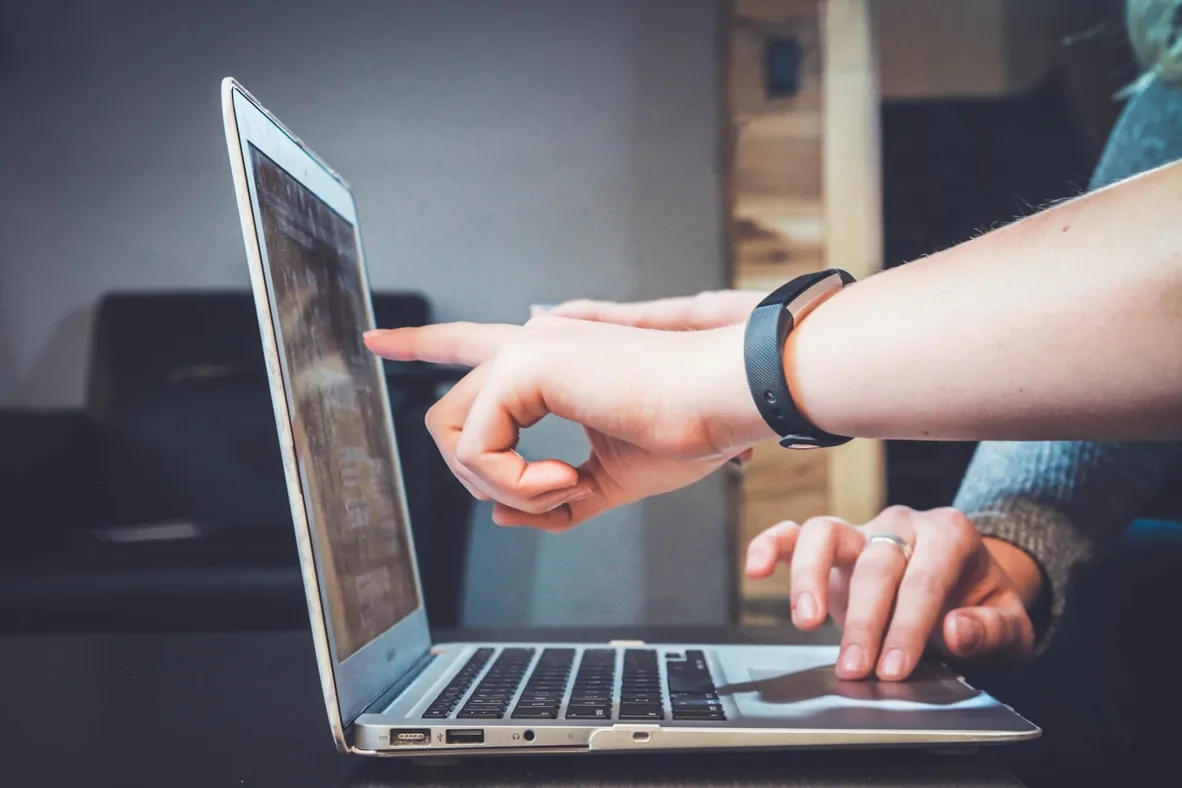
Annotations, Clicks, and Visual Guidance
Annotations guide attention when the screen is busy. Cursor highlights, zooms, arrows, callouts, blur tools, and keystroke displays should make the tutorial clearer without turning the video into visual clutter. The best tools let creators emphasize the next action while keeping the interface readable.
Test this by recording a form, a dashboard, and a settings page. If the viewer can tell where to click and what changed after each click, the annotation workflow is doing its job.
Screen recording software should make tutorials and demos easier to understand, not just easier to capture. The right platform helps a team record clean screens, capture clear audio, highlight important clicks, trim mistakes, share safely, and reuse recordings inside training or customer support libraries. A solo creator may need fast capture and simple edits, while a software company may need permissions, team folders, branded exports, and private links. The practical test is whether someone watching the recording can follow the lesson without asking for a live explanation.
When reviewing cursor highlights, callouts, zooms, keystrokes, blur tools, arrows, and on-screen teaching cues, use a real teaching scenario rather than a blank demo. Record a product walkthrough, a support explanation, a training clip, and one quick internal note. The software should make setup, capture, editing, sharing, and archiving feel repeatable. If the workflow only looks good in a short demo but falls apart with private screens, noisy audio, or review comments, it may not be the right fit for regular tutorial work.
Also check how easily non-video specialists can use it. Screen recording is often done by support staff, product managers, trainers, and founders, not only editors. Clear defaults, safe sharing, and simple export rules matter more than advanced effects most people will never use.
Questions to ask before subscribing
Can non-video specialists record clearly?
Screen recording software should make tutorials and demos easier to understand, not just easier to capture. The right platform helps a team record clean screens, capture clear audio, highlight important clicks, trim mistakes, share safely, and reuse recordings inside training or customer support libraries. A solo creator may need fast capture and simple edits, while a software company may need permissions, team folders, branded exports, and private links. The practical test is whether someone watching the recording can follow the lesson without asking for a live explanation.
When reviewing Can non-video specialists record clearly?, use a real teaching scenario rather than a blank demo. Record a product walkthrough, a support explanation, a training clip, and one quick internal note. The software should make setup, capture, editing, sharing, and archiving feel repeatable. If the workflow only looks good in a short demo but falls apart with private screens, noisy audio, or review comments, it may not be the right fit for regular tutorial work.
Also check how easily non-video specialists can use it. Screen recording is often done by support staff, product managers, trainers, and founders, not only editors. Clear defaults, safe sharing, and simple export rules matter more than advanced effects most people will never use.
Does sharing protect sensitive screens?
Screen recording software should make tutorials and demos easier to understand, not just easier to capture. The right platform helps a team record clean screens, capture clear audio, highlight important clicks, trim mistakes, share safely, and reuse recordings inside training or customer support libraries. A solo creator may need fast capture and simple edits, while a software company may need permissions, team folders, branded exports, and private links. The practical test is whether someone watching the recording can follow the lesson without asking for a live explanation.
When reviewing Does sharing protect sensitive screens?, use a real teaching scenario rather than a blank demo. Record a product walkthrough, a support explanation, a training clip, and one quick internal note. The software should make setup, capture, editing, sharing, and archiving feel repeatable. If the workflow only looks good in a short demo but falls apart with private screens, noisy audio, or review comments, it may not be the right fit for regular tutorial work.
Also check how easily non-video specialists can use it. Screen recording is often done by support staff, product managers, trainers, and founders, not only editors. Clear defaults, safe sharing, and simple export rules matter more than advanced effects most people will never use.
Are annotations helpful without clutter?
Screen recording software should make tutorials and demos easier to understand, not just easier to capture. The right platform helps a team record clean screens, capture clear audio, highlight important clicks, trim mistakes, share safely, and reuse recordings inside training or customer support libraries. A solo creator may need fast capture and simple edits, while a software company may need permissions, team folders, branded exports, and private links. The practical test is whether someone watching the recording can follow the lesson without asking for a live explanation.
When reviewing Are annotations helpful without clutter?, use a real teaching scenario rather than a blank demo. Record a product walkthrough, a support explanation, a training clip, and one quick internal note. The software should make setup, capture, editing, sharing, and archiving feel repeatable. If the workflow only looks good in a short demo but falls apart with private screens, noisy audio, or review comments, it may not be the right fit for regular tutorial work.
Also check how easily non-video specialists can use it. Screen recording is often done by support staff, product managers, trainers, and founders, not only editors. Clear defaults, safe sharing, and simple export rules matter more than advanced effects most people will never use.
Can recordings become a reusable library?
Screen recording software should make tutorials and demos easier to understand, not just easier to capture. The right platform helps a team record clean screens, capture clear audio, highlight important clicks, trim mistakes, share safely, and reuse recordings inside training or customer support libraries. A solo creator may need fast capture and simple edits, while a software company may need permissions, team folders, branded exports, and private links. The practical test is whether someone watching the recording can follow the lesson without asking for a live explanation.
When reviewing Can recordings become a reusable library?, use a real teaching scenario rather than a blank demo. Record a product walkthrough, a support explanation, a training clip, and one quick internal note. The software should make setup, capture, editing, sharing, and archiving feel repeatable. If the workflow only looks good in a short demo but falls apart with private screens, noisy audio, or review comments, it may not be the right fit for regular tutorial work.
Also check how easily non-video specialists can use it. Screen recording is often done by support staff, product managers, trainers, and founders, not only editors. Clear defaults, safe sharing, and simple export rules matter more than advanced effects most people will never use.
Implementation checklist
During rollout, test the exact exception cases that normally slow tutorial teams down: a retake after a mistake, a blurred private field, a corrected caption, a new export format, a stakeholder note, and an outdated lesson that needs replacement. Creators should know where every file belongs and which settings are approved.
Assign ownership for recording defaults, microphone standards, library folders, and access rules. Clear ownership keeps tutorials useful after the first batch.
When the team reviews tools again, compare the same tutorial across every platform under consideration. Use identical screen steps, narration notes, sharing rules, and export needs so the decision is fair.
Migration notes for repeatable tutorial work
For the first month, review the recording workflow every Friday. Check whether creators are using the same capture area, whether audio levels are consistent, whether sensitive fields are blurred, whether files are named clearly, and whether published tutorials are being added to the right training or support folder. Small corrections early prevent the recording library from becoming a pile of unclear clips.
It also helps to write one standard for each repeating format: customer demo, internal update, onboarding lesson, product release walkthrough, troubleshooting answer, and sales enablement clip. Screen recording software works best when the platform and the team share the same teaching language.
Finally, keep one simple scorecard beside the workflow. Track the source topic, recording owner, intended viewer, privacy level, export preset, review owner, and update date. This small habit helps a team decide which tutorials should be refreshed and which formats deserve more production time.